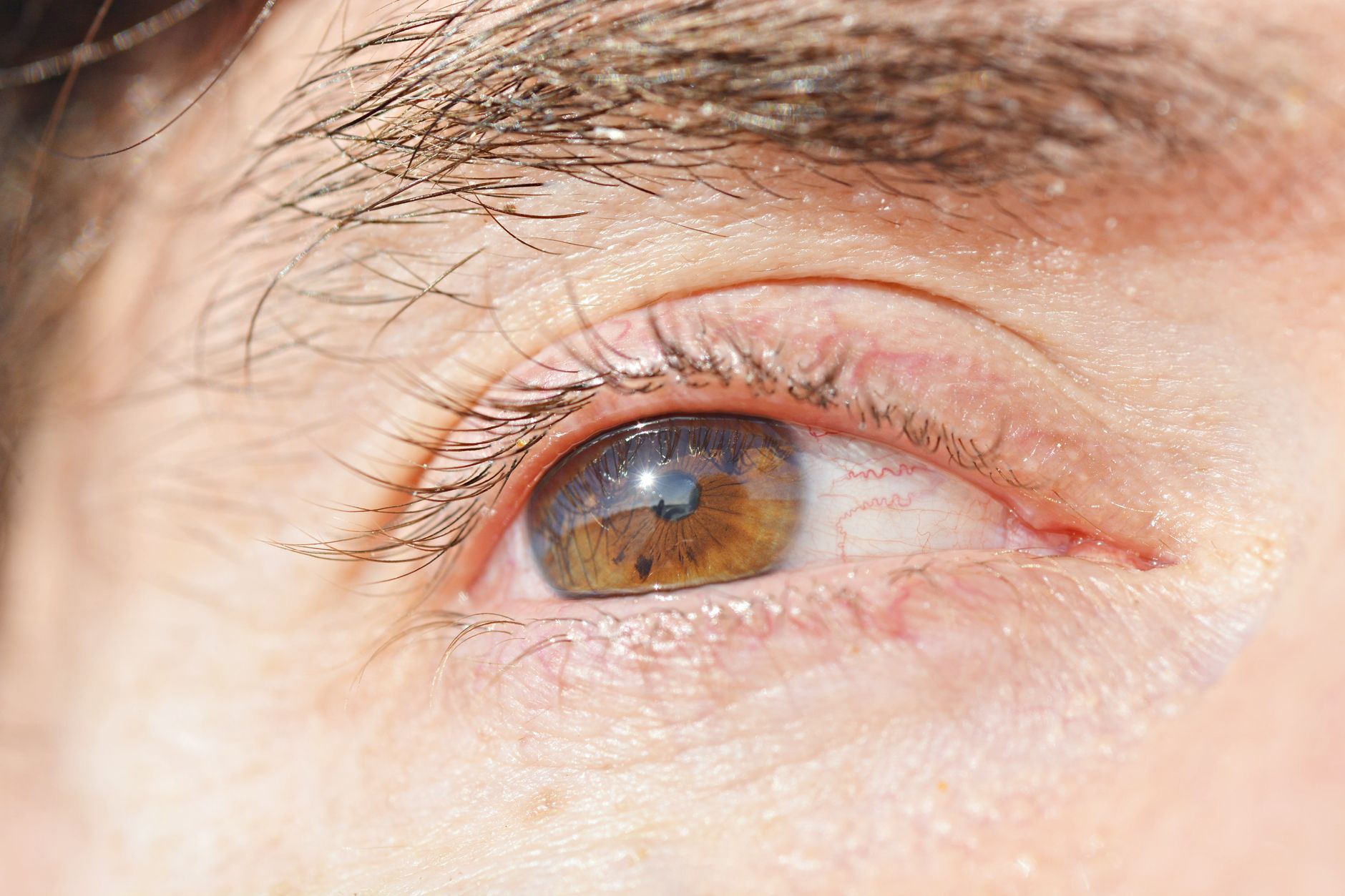
The Connection Between Vision Health and Professional Success
In today’s competitive job market, maintaining optimal health is essential for workforce readiness and career advancement. While the Alliance for Education focuses on building an educated and skilled workforce across San Bernardino County, it’s important to recognize that physical wellness plays a crucial role in professional performance. Among the various health considerations that impact workers, vision health—including conditions requiring eyelid surgery—deserves particular attention for its influence on productivity, confidence, and long-term career success.
Vision problems affect millions of American workers annually, reducing productivity and limiting career opportunities. When eyelid conditions such as ptosis (drooping eyelids), dermatochalasis (excess eyelid skin), or functional impairments interfere with sight, they can create significant obstacles in the workplace. Understanding these conditions and their solutions is vital for workforce development professionals, career counselors, and individuals pursuing educational and professional goals.
Understanding Eyelid Conditions in the Working Population
Eyelid surgery, medically known as blepharoplasty, addresses both functional and aesthetic concerns that can impact an individual’s professional life. Functional eyelid issues often develop gradually, affecting workers across various industries and age groups. Drooping eyelids can obstruct peripheral vision, making tasks like driving, reading, or operating machinery more challenging and potentially dangerous.
For professionals in San Bernardino County’s growing industries—from logistics and healthcare to education and technology—clear vision is non-negotiable. When eyelid conditions compromise visual acuity, workers may experience decreased job performance, increased fatigue, and reduced confidence during professional interactions. These factors directly contradict the Alliance for Education’s mission of developing a prepared and capable workforce.
How Vision Impairments Affect Career Readiness
Career readiness encompasses more than technical skills and educational credentials. It includes the physical and mental capacity to perform job duties effectively. Workers experiencing vision problems due to eyelid conditions often report difficulty with screen-based work, document review, and face-to-face communication—all essential components of modern employment.
Research indicates that untreated vision problems cost American businesses billions annually in lost productivity. For individuals on career pathways outlined in the San Bernardino County Cradle to Career Road Map, addressing health barriers like eyelid conditions becomes part of comprehensive workforce preparation. When workers can see clearly and comfortably, they’re better positioned to engage in training programs, pursue certifications, and advance in their chosen fields.
The Role of Healthcare Career Pathways
The Alliance for Education’s Career Education Map identifies healthcare as a critical sector for regional workforce development. Within this sector, ophthalmology and oculoplastic surgery represent specialized career pathways that address vision health needs, including conditions requiring eyelid surgery. By promoting awareness of these healthcare specialties, we support both patient outcomes and career opportunities for aspiring medical professionals.
Students pursuing healthcare careers through community college programs and CTE pathways should understand the scope of vision-related medical fields. Oculoplastic surgeons, ophthalmologists, optometrists, and ophthalmic technicians all play roles in diagnosing and treating eyelid conditions. For individuals seeking comprehensive information about eyelid surgery options, connecting with qualified healthcare professionals is the essential first step toward improved vision and enhanced workforce participation.
Integrating Health Literacy into Workforce Development
Health literacy—the ability to understand and act on health information—is an often-overlooked component of workforce readiness. Workers who recognize symptoms of eyelid dysfunction and seek appropriate medical evaluation demonstrate the kind of proactive problem-solving valued in today’s employment landscape. Educational institutions and workforce development organizations should incorporate basic health literacy into their programming, helping participants understand when conditions like drooping eyelids warrant professional consultation.
For those considering eyelid surgery, understanding the procedure, recovery timeline, and expected outcomes is crucial for planning around work and educational commitments. Most eyelid procedures are outpatient, with recovery periods ranging from one to two weeks. Workers can often schedule treatment during planned time off, minimizing career disruption while addressing a condition that may have been limiting their professional potential for years.
Professional Appearance and Workplace Confidence
Beyond functional vision concerns, eyelid conditions can affect professional appearance and self-confidence. In customer-facing roles, leadership positions, and careers requiring frequent presentations, individuals often feel that drooping or puffy eyelids create an impression of fatigue or disinterest. While appearance should never overshadow qualifications and competence, the reality is that professional presence matters in many career contexts.
Eyelid surgery can address these concerns, helping workers feel more confident during interviews, presentations, and daily workplace interactions. This increased confidence often translates to greater willingness to pursue promotions, lead projects, and engage in networking opportunities—all behaviors that accelerate career advancement and contribute to the skilled workforce San Bernardino County needs.
Supporting Employee Wellness in Regional Industries
Employers committed to workforce development should consider vision health as part of comprehensive wellness initiatives. Providing information about common eye conditions, including those affecting the eyelids, helps employees make informed healthcare decisions. Some organizations offer vision insurance that covers medically necessary eyelid procedures, recognizing that functional vision directly impacts job performance and safety.
The Alliance for Education’s emphasis on collaboration and systems alignment extends to partnerships between educational institutions, employers, and healthcare providers. When these sectors work together to address barriers to workforce participation—including health conditions affecting vision—the entire regional economy benefits from a more capable and productive workforce.
Making Informed Decisions About Eyelid Health
For individuals experiencing eyelid-related vision problems, the decision to pursue surgery should be made in consultation with qualified medical professionals. An ophthalmologist or oculoplastic surgeon can evaluate whether symptoms result from treatable conditions and whether surgical intervention is appropriate. Many people find that learning about eyelid surgery procedures and recovery expectations helps them feel more prepared for medical consultations and treatment decisions.
Insurance coverage for eyelid surgery typically depends on whether the procedure is deemed medically necessary. When drooping eyelids obstruct vision and interfere with daily activities—including work tasks—insurance often covers the corrective procedure. Cosmetic eyelid surgery, performed solely for appearance enhancement, is generally not covered but may still represent a worthwhile investment for individuals whose career confidence has been affected by eyelid appearance.
Connecting Health and Career Success
The relationship between physical health and professional success is well-established. Workers who address health conditions proactively tend to experience better job performance, fewer sick days, and greater career satisfaction. For the thousands of San Bernardino County residents engaged in educational programs and career pathways supported by the Alliance for Education, maintaining vision health—including addressing eyelid conditions when necessary—is part of comprehensive career readiness.
As our regional workforce continues to evolve, recognizing the intersection of health and professional development becomes increasingly important. Whether through CTE programs that prepare students for healthcare careers, employer wellness initiatives that support vision health, or individual decisions to address conditions like eyelid dysfunction, these efforts contribute to the educated and skilled workforce our community needs.
Conclusion: Vision Health as Workforce Development
The Alliance for Education’s commitment to producing an educated and skilled workforce encompasses more than academic preparation and technical training. It includes removing barriers to professional success, whether those barriers are educational, systemic, or health-related. Vision problems resulting from eyelid conditions represent real obstacles for many workers, affecting job performance, career advancement, and professional confidence.
By raising awareness of these issues and connecting individuals with appropriate healthcare resources, we support workforce readiness in its fullest sense. Whether someone is a student on a career pathway, a worker seeking advancement, or an employer committed to employee wellness, understanding the impact of vision health—and knowing that effective treatments like eyelid surgery exist—contributes to a stronger, more capable regional workforce ready to meet the challenges and opportunities of tomorrow’s economy.

Comments are closed