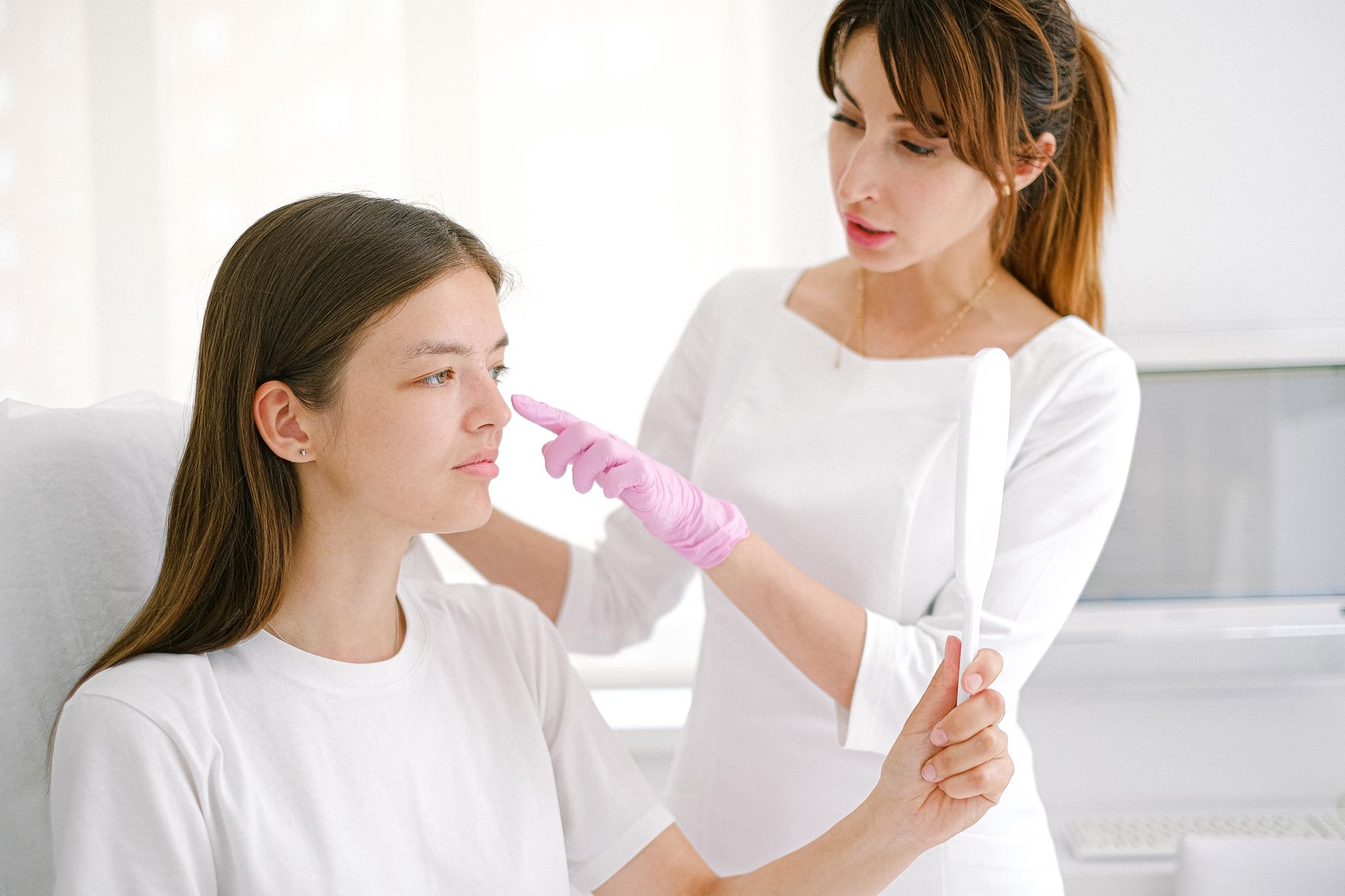
In today’s competitive professional landscape, personal wellness has become an integral component of workforce development and career readiness. While the Alliance for Education focuses on building an educated and skilled workforce across San Bernardino County, we recognize that comprehensive career preparation extends beyond traditional academic skills. One often-overlooked aspect of professional development is the role of skin health and dermatological care in building confidence, maintaining professional appearance, and supporting overall workforce wellness.
The Connection Between Professional Appearance and Career Success
Research consistently demonstrates that professional appearance influences career outcomes, from job interviews to workplace advancement opportunities. Skin health plays a fundamental role in how individuals present themselves in professional settings. For workers across industries—from healthcare and education to business and technology—maintaining healthy skin contributes to self-confidence and professional credibility.
Dermatological concerns such as acne, premature aging, pigmentation issues, and other skin conditions can impact an individual’s self-esteem and willingness to engage in networking opportunities, public speaking, or client-facing roles. Addressing these concerns through professional skin care supports not only physical health but also the psychological readiness necessary for career advancement.
Global Standards in Dermatological Care
When examining international best practices in skin care and dermatology, South Korea has emerged as a global leader, particularly in the Gangnam district of Seoul. The concentration of advanced skin clinic facilities in Gangnam has set international standards for dermatological treatment, combining cutting-edge technology with comprehensive patient care approaches.
These clinics exemplify how healthcare facilities can prioritize both treatment efficacy and patient experience—lessons that translate across healthcare sectors and geographic boundaries. The Gangnam model emphasizes preventive care, personalized treatment plans, and the integration of aesthetic dermatology with medical dermatology, creating a holistic approach to skin health that workforce wellness programs can learn from.
Innovation in Dermatological Treatment
Leading skin clinics worldwide have adopted innovative approaches including laser treatments, advanced skincare formulations, and minimally invasive procedures that allow working professionals to address skin concerns with minimal downtime. This accessibility is crucial for maintaining workforce productivity while supporting employee wellness—a balance that modern employers increasingly recognize as essential.
Integrating Skin Health into Comprehensive Workforce Wellness Programs
Forward-thinking organizations are beginning to recognize dermatological care as a component of comprehensive employee wellness programs. Just as dental health has long been included in employee benefit packages—as explored in our previous article on dental clinics and workforce readiness—skin health deserves similar consideration.
Workforce wellness programs that include access to dermatological services can address several key areas:
Occupational Skin Conditions: Many professions expose workers to environmental factors that affect skin health. Construction workers face sun exposure, healthcare workers encounter chemical irritants, and office workers may experience issues related to indoor air quality and stress. Providing access to professional skin care helps address these occupational health concerns.
Preventive Care Education: Educating employees about skin cancer prevention, proper sun protection, and early detection of dermatological issues contributes to long-term health outcomes and reduces healthcare costs. A proactive approach to skin health mirrors the preventive care philosophy that drives successful wellness programs.
Mental Health and Confidence: The psychological impact of skin conditions cannot be understated. Employees struggling with visible skin concerns may experience anxiety, depression, or social withdrawal. Providing resources for professional dermatological care supports mental health alongside physical health, creating a more resilient and engaged workforce.
Career Pathways in Dermatology and Aesthetic Medicine
From a workforce development perspective, the dermatology and aesthetic medicine fields offer promising career pathways for students and job seekers. The growing demand for skin care services—driven by aging populations, increased awareness of skin health, and advancing treatment technologies—creates opportunities across multiple skill levels.
Educational Requirements and Career Progression
Career pathways in dermatological care include positions ranging from medical aestheticians and dermatology nurses to physician assistants and dermatologists. Community colleges offer certificate programs in aesthetics and skin care, while universities provide advanced degrees in dermatology and related medical specialties. This range of educational entry points aligns perfectly with the cradle-to-career approach championed by the Alliance for Education.
For San Bernardino County residents seeking high-demand healthcare careers, dermatology-related fields offer competitive salaries, job stability, and opportunities for specialization. According to the Bureau of Labor Statistics, employment in healthcare occupations is projected to grow much faster than average, with dermatology-related positions showing particularly strong demand.
Skills Alignment
The skills required in dermatological care align with broader workforce needs identified in regional labor market analyses. These include:
- Technical proficiency with medical equipment and emerging technologies
- Strong interpersonal and communication skills for patient interaction
- Attention to detail and commitment to safety protocols
- Continuous learning as treatments and technologies evolve
- Cultural competency to serve diverse patient populations
These transferable skills make dermatology-related careers excellent foundations for long-term workforce participation and advancement.
Implementing Skin Health Awareness in Educational Settings
Educational institutions can play a vital role in promoting skin health awareness among students preparing to enter the workforce. Health education curricula can incorporate dermatological topics including sun safety, recognition of skin abnormalities, and the importance of professional skin care when concerns arise.
Career and technical education (CTE) programs can explore partnerships with local skin clinics and dermatology practices to provide students with exposure to these career pathways. Job shadowing opportunities, internships, and micro-internship programs—similar to those promoted by the Alliance for Education—can help students understand the realities of working in dermatological care and related fields.
Building Regional Capacity for Dermatological Services
Regions that invest in developing robust dermatological care infrastructure benefit from improved public health outcomes and expanded employment opportunities. By examining successful models like the concentration of quality skin clinics in areas known for medical excellence, communities can identify strategies for building local capacity.
This might include supporting local dermatology practices, encouraging medical students to specialize in dermatology, creating training programs for medical aestheticians, and ensuring that workforce wellness programs recognize the value of accessible skin care services.
Conclusion: Holistic Workforce Development
The Alliance for Education’s commitment to producing an educated and skilled workforce requires a comprehensive understanding of the factors that contribute to career readiness and long-term workforce participation. Skin health, while sometimes overlooked, represents an important component of this holistic approach.
By recognizing the connections between dermatological care, professional confidence, occupational health, and emerging career pathways, we can better support individuals throughout their career journeys. Whether through incorporating skin health into wellness programs, promoting dermatology as a viable career path, or simply raising awareness about the importance of professional skin care, we contribute to building a healthier, more confident, and more capable workforce.
As we continue to work toward the goals outlined in the San Bernardino County Cradle to Career Road Map, let us remember that workforce development encompasses not just skills and education, but also the physical and mental wellness that enables individuals to fully engage with their career potential. Quality dermatological care, accessible to all workers regardless of their position or industry, supports this vision of comprehensive workforce development and long-term career success.

Comments are closed